
Writing · Analysis · Commentary
The Escalation Ladder
How crises climb toward wider war—and why the descent becomes harder
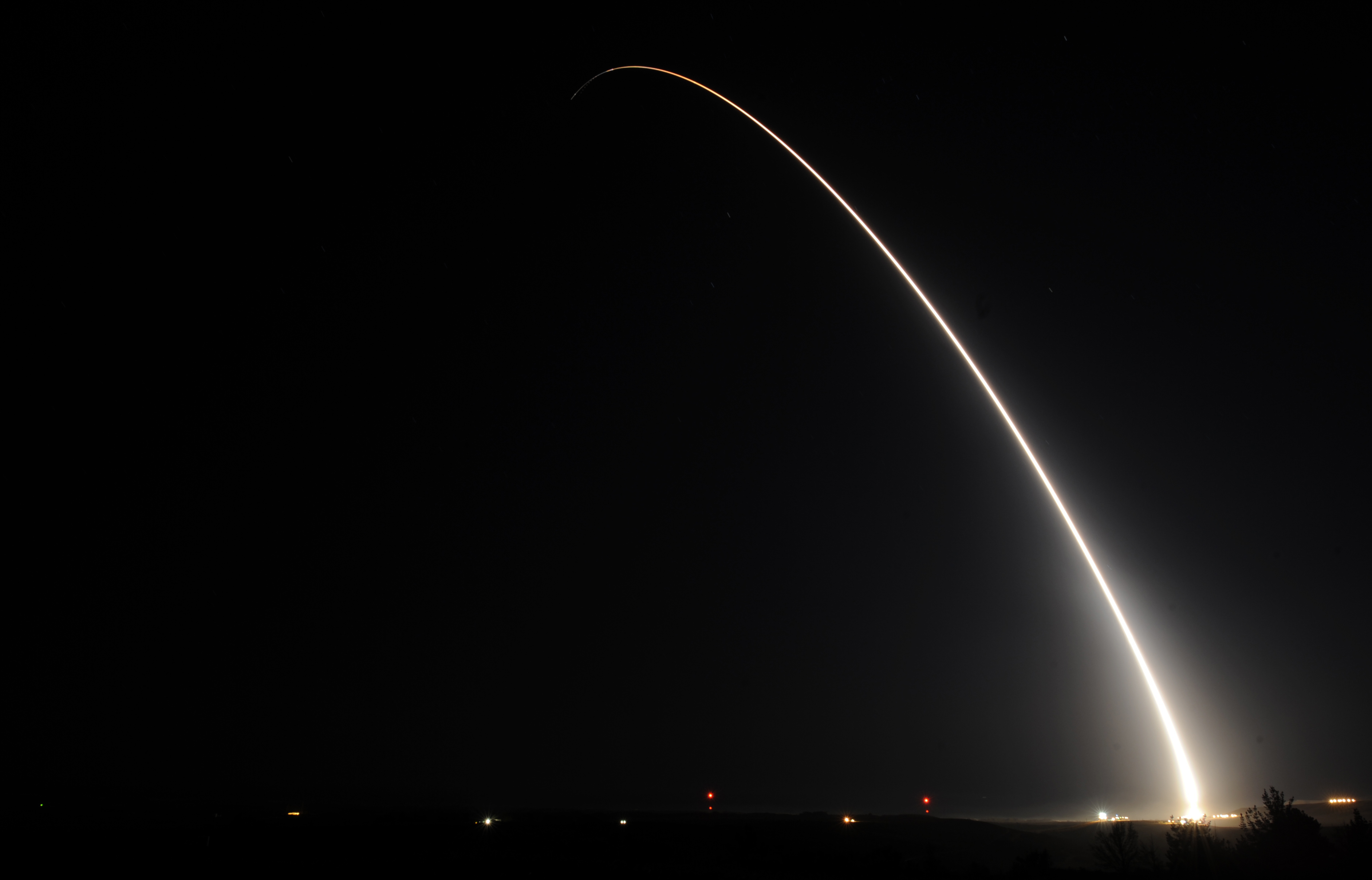
Confrontations between states rarely move directly from peace to war. They tend instead to advance through a series of steps, each taken in the belief that it will stabilize events.
A strike is meant to send a signal—Retaliation is intended to restore deterrence—Demonstration of force is expected to persuade the adversary to step back.
Each action appears limited and controlled when viewed in isolation.
Yet the accumulation of such steps can carry nations toward a confrontation far larger than the one originally envisioned.
Governments that believe they are managing a crisis may instead find themselves climbing, rung by rung, toward a conflict that becomes progressively harder to contain.
During the Cold War the strategist Herman Kahn described this dynamic through the metaphor of an escalation ladder.
Nations do not generally leap directly from peace to catastrophe. They climb up successive rungs of the ladder—diplomatic confrontation, demonstrations of force, limited strikes, and attacks on strategic capabilities—each step raising the stakes while narrowing the choices available to stabilize events.
The logic of escalation is rarely deliberate. More often it unfolds through reaction. One move prompts another. Each response appears justified in the moment, yet together they carry the participants further up the ladder of confrontation.
De-escalation is far more difficult. It requires restraint, coordination, and a measure of confidence that adversaries will exercise the same restraint at precisely the same moment.
The confrontation now taking shape among Iran, the United States, Israel, Saudi Arabia, and the Gulf States increasingly bears the hallmarks of such a climb.
For years the conflict largely unfolded in the shadows.
Iran steadily expanded its influence across the Middle East by cultivating networks of militant proxy forces—arming, training, and financing groups that allowed Tehran to pressure its adversaries without inviting direct war.
At the same time Iran’s Islamic Revolutionary Guard Corps has invested heavily in ballistic missile and drone programs that are increasingly being employed against civilian targets across the region.
Alongside these activities Iran has consistently advanced its nuclear program, expanding fissile material enrichment while resisting meaningful verification measures.
The cumulative effect has brought Tehran progressively closer to a threshold that many governments believe would fundamentally alter the strategic balance of the region.
For decades the United States, Israel, and other regional actors responded through intelligence operations, sabotage, and limited airstrikes intended to slow these developments while avoiding a wider war with Iran itself.
The result was an uneasy equilibrium. Iran advanced its capabilities largely through proxies and covert activity, while its adversaries sought to contain those advances without crossing the threshold into direct confrontation.
That equilibrium depended on boundaries that all sides broadly understood, even when they were never formally acknowledged.
Those boundaries now appear to be shifting.
Strategists often describe crises like this in terms of successive rungs of escalation, each representing a deeper level of confrontation.
The first rung is proxy conflict.
Rival powers test one another indirectly through partners, militias, or regional allies.
Iran’s use of Hezbollah, Iraqi militias, and other aligned groups has long operated at this level.
The second rung is limited direct signaling.
States conduct narrowly targeted strikes meant primarily to demonstrate capability and resolve. The objective is political communication as much as military effect.
The third rung involves operational degradation—attacks intended to weaken the adversary’s military networks, leadership, or infrastructure. At this stage the goal is no longer merely to send a message but to impose real military cost.
Beyond that lies the stage of strategic capability attacks.
Missile forces, command networks, naval assets, or hardened nuclear facilities become targets. When conflicts reach this rung, the objective shifts from signaling to altering the balance of power itself.
Each step on the ladder increases both the stakes and the danger.
States whose core military capabilities are under attack rarely respond with restraint.
Regimes that believe their long-term security may be threatened often escalate further rather than accept strategic defeat.
What began as an effort to restore deterrence can therefore become the opening stage of a far larger confrontation.
History offers many examples of crises that followed this trajectory.
In 1914 European governments believed they were mobilizing for a short and decisive war.
In 1962 the United States and the Soviet Union climbed perilously close to nuclear confrontation during the Cuban Missile Crisis before stepping back from the brink.
A decade later the 1973 war in the Middle East again brought the superpowers into dangerous proximity before diplomatic resolution took place.
In each case nations climbed step by step, convinced that events remained under control.
Only later did it become clear how narrow the margin for error had become.
Yet history offers another lesson as well.
Escalation does not always end in catastrophe.
Sometimes leaders recognize when the ladder has been climbed far enough.
Limited objectives may have been achieved.
Strategic capabilities may have been degraded sufficiently to restore deterrence.
Quiet diplomatic channels—often operating through intermediaries—can begin to stabilize the situation before the confrontation expands further.
Such outcomes will never resemble public proclamations of triumph. More often they produce uneasy truces and a new fragile status of deterrence.
Escalation ladders are easier to climb than they are to descend.
Each step upward is taken in response to some immediate provocation or perceived necessity. The climb can therefore appear justified at every stage of escalation, but risk losing the ability to properly contain unforeseen eventualities.
The descent of this ladder is in every way, something altogether different.
Moving down the ladder requires restraint at precisely the moment when retaliation may seem most compelling, and acting with a degree of confidence that adversaries will exercise similar restraint.
As confrontations move from proxy conflict to direct strikes and attacks on strategic capabilities, the space for restraint narrows.
Measures that might once have stabilized the situation may no longer be sufficient to restore deterrence or reassure domestic audiences.
Leaders who step back too quickly risk appearing weak; leaders who continue climbing risk expanding a conflict that no one originally intended.
At some point those responsible for managing the crisis may discover that the ladder they have climbed in pursuit of limited objectives no longer offers an easy path downward.
The danger of escalation ladders is not merely that they can be climbed. It is that beyond a certain height the descent becomes far more difficult than the ascent—and sometimes impossible.